Four Season Resort, Langkawi
Kemewahan senibina & dekorasi tradisional
Oleh Diyana Rose Kamalludeen
Isnin September 12, 2011

Dekorasi dalam villa dua bilik yang luas dan menarik di Four Seasons Resort, Langkawai.
NUN terpencil di penghujung Tanjung Rhu, Pulau Langkawi, tersergam sebuah destinasi percutian tropika ideal yang mengharmonikan segala keunikan warisan budaya senibina Melayu dalam membawakan pengalaman lima bintang terunggul kepada para pengunjung.
Ketenangan dan kedamaian bayu ombak Laut Andaman sedia terhampar baru mengalu-alukan kedatangan tetamu dari dalam dan luar negara ke Four Seasons Resort Langkawi dengan penuh kemesraan layanan hospitaliti yang cukup sinonim dengan masyarakat Melayu pada suatu ketika dahulu.
Ini merupakan sebahagian keunikan pengalaman lima bintang Four Seasons, yang bukan sekadar penginapan mahal sarat dengan ekstravaganza dekorasi asing.
Sebaliknya, keseluruhan konsep resort berkenaan memperincikan keistimewaan struktur kediaman Melayu lama, ditonjolkan oleh landskap kemakmuran tropikal yang menyelimuti premis resort tersebut.
Sementara senibina tradisional Melayu asli dijadikan asas konsep binaan kesemua struktur di resort itu, para tetamu pastinya menyedari pengaruh etnik Asia, India dan Arab. Ini bertujuan untuk menyingkap kepelbagaian suntikan budaya yang benar-benar mewakili Malaysia pada hari ini.
Ketelitian suntikan hiasan menyerlahkan idea sebenar di sebalik konsep dekorasi Four Seasons, bermula daripada ruang masuk utamanya yang menggabungkan unsur rekabentuk Moor terutama pada arca gergasi menuju ke ruang lobi utama berkonsep terbuka.
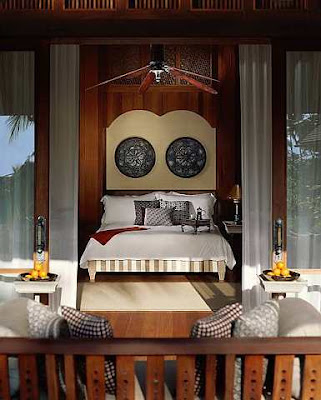
Kemewahan ruang tidur di Pavillion Melaleuca.
Inspirasi Moghul turut membingkai struktur kesemua pavilion dan villa penginapan mewah sehingga kepada motif luar biasa yang menyerikan ruang kamar mandi berlantai terazo dan marmar diimport khas membentuk seakan-akan sebuah oasis persendirian.
Diasaskan daripada konsep sebuah perkampungan Melayu tradisional, kamar penginapan Four Seasons dilengkapi sistem perudaraan ala tradisional agar tetamu dapat menikmati hembusan bayu laut sebenar sama ada dari keselesaan katil sambil menonton televisyen mahupun sambil bersantai di anjung peribadi serba luas.
Di samping itu, hiasan dekorasi dalaman juga tidak kurang kekuatan pengaruh kesenian Melayu dengan penggunaan meluas motif dan fabrik tradisi batik sebagai penghias utama walaupun masih diperkukuhkan dengan kemasan ala Arab untuk menonjolkan sisi eksklusif.
Four Seasons merangkumi 91 pavilion atau astaka dan villa penginapan bersaiz mewah. Sebanyak 68 pavilion Melaleuca dua tingkat masing-masing merangkumi empat unit dan 20 Villa Beachfront eksklusif, setiap satunya dengan bilik spa dan kolam persendirian.

Sebahagian kamar mandi Beach Villa di Four Seasons Resort, Langkawi.
Namun paling mengujakan adalah kamar mandi. Lebih layak dipanggil ruang mandian, ia direka khusus untuk memberi ketenangan kepada para tetamu dengan inspirasi hammam (tempat mandian) atau jakuzi ala Turki juga pancuran 'hujan' di luar dalam taman terpencil tanpa gangguan.
Seolah-olah enklaf tersembunyi dalam spa eksklusif, kesemua kamar mandi menampilkan jendela langit (skylight) yang memantulkan pencahayaan suria semula jadi sekali gus memperjelaskan lagi dekorasi unik dan memberikan pengalaman luar biasa kepada para tetamu.
Bayangkan pula tahap kedamaian yang bakal dikecapi apabila melangkah ke The Spa untuk mengembalikan ketenangan dan mengimbangi keperluan diri dengan suasana serta layanan khusus bagi mententeramkan kecelaruan jiwa dari kota.
Tidak seperti mana-mana kemudahan rawatan seumpamanya, The Spa berjaya melangkah kembali ke dunia lampau untuk mewujudkan sebuah perkampungan Asia yang maha tenang, berlatarkan cenuram kapur dramatik dan dikelilingi kolam teratai.

Kamar mandi inspirasi halaman Turki.
Selesai bersantai dan memanjakan diri seharian, para tetamu tidak perlu susah payah mencari makanan.
Sebaliknya, hidangan Melayu asli atau gabungan menu gourmet Asia disediakan dalam persekitaran paling sempurna di restoran Ikan Ikan, Serai dan Kelapa Grill.
Untuk maklumat lanjut mengenai Four Seasons Resort Langkawi, layari www.fourseasons.com. -- mStar
Kemewahan senibina & dekorasi tradisional
Oleh Diyana Rose Kamalludeen
Isnin September 12, 2011

Dekorasi dalam villa dua bilik yang luas dan menarik di Four Seasons Resort, Langkawai.
NUN terpencil di penghujung Tanjung Rhu, Pulau Langkawi, tersergam sebuah destinasi percutian tropika ideal yang mengharmonikan segala keunikan warisan budaya senibina Melayu dalam membawakan pengalaman lima bintang terunggul kepada para pengunjung.
Ketenangan dan kedamaian bayu ombak Laut Andaman sedia terhampar baru mengalu-alukan kedatangan tetamu dari dalam dan luar negara ke Four Seasons Resort Langkawi dengan penuh kemesraan layanan hospitaliti yang cukup sinonim dengan masyarakat Melayu pada suatu ketika dahulu.
Ini merupakan sebahagian keunikan pengalaman lima bintang Four Seasons, yang bukan sekadar penginapan mahal sarat dengan ekstravaganza dekorasi asing.
Sebaliknya, keseluruhan konsep resort berkenaan memperincikan keistimewaan struktur kediaman Melayu lama, ditonjolkan oleh landskap kemakmuran tropikal yang menyelimuti premis resort tersebut.
Sementara senibina tradisional Melayu asli dijadikan asas konsep binaan kesemua struktur di resort itu, para tetamu pastinya menyedari pengaruh etnik Asia, India dan Arab. Ini bertujuan untuk menyingkap kepelbagaian suntikan budaya yang benar-benar mewakili Malaysia pada hari ini.
Ketelitian suntikan hiasan menyerlahkan idea sebenar di sebalik konsep dekorasi Four Seasons, bermula daripada ruang masuk utamanya yang menggabungkan unsur rekabentuk Moor terutama pada arca gergasi menuju ke ruang lobi utama berkonsep terbuka.

Kemewahan ruang tidur di Pavillion Melaleuca.
Inspirasi Moghul turut membingkai struktur kesemua pavilion dan villa penginapan mewah sehingga kepada motif luar biasa yang menyerikan ruang kamar mandi berlantai terazo dan marmar diimport khas membentuk seakan-akan sebuah oasis persendirian.
Diasaskan daripada konsep sebuah perkampungan Melayu tradisional, kamar penginapan Four Seasons dilengkapi sistem perudaraan ala tradisional agar tetamu dapat menikmati hembusan bayu laut sebenar sama ada dari keselesaan katil sambil menonton televisyen mahupun sambil bersantai di anjung peribadi serba luas.
Di samping itu, hiasan dekorasi dalaman juga tidak kurang kekuatan pengaruh kesenian Melayu dengan penggunaan meluas motif dan fabrik tradisi batik sebagai penghias utama walaupun masih diperkukuhkan dengan kemasan ala Arab untuk menonjolkan sisi eksklusif.
Four Seasons merangkumi 91 pavilion atau astaka dan villa penginapan bersaiz mewah. Sebanyak 68 pavilion Melaleuca dua tingkat masing-masing merangkumi empat unit dan 20 Villa Beachfront eksklusif, setiap satunya dengan bilik spa dan kolam persendirian.

Sebahagian kamar mandi Beach Villa di Four Seasons Resort, Langkawi.
Namun paling mengujakan adalah kamar mandi. Lebih layak dipanggil ruang mandian, ia direka khusus untuk memberi ketenangan kepada para tetamu dengan inspirasi hammam (tempat mandian) atau jakuzi ala Turki juga pancuran 'hujan' di luar dalam taman terpencil tanpa gangguan.
Seolah-olah enklaf tersembunyi dalam spa eksklusif, kesemua kamar mandi menampilkan jendela langit (skylight) yang memantulkan pencahayaan suria semula jadi sekali gus memperjelaskan lagi dekorasi unik dan memberikan pengalaman luar biasa kepada para tetamu.
Bayangkan pula tahap kedamaian yang bakal dikecapi apabila melangkah ke The Spa untuk mengembalikan ketenangan dan mengimbangi keperluan diri dengan suasana serta layanan khusus bagi mententeramkan kecelaruan jiwa dari kota.
Tidak seperti mana-mana kemudahan rawatan seumpamanya, The Spa berjaya melangkah kembali ke dunia lampau untuk mewujudkan sebuah perkampungan Asia yang maha tenang, berlatarkan cenuram kapur dramatik dan dikelilingi kolam teratai.

Kamar mandi inspirasi halaman Turki.
Selesai bersantai dan memanjakan diri seharian, para tetamu tidak perlu susah payah mencari makanan.
Sebaliknya, hidangan Melayu asli atau gabungan menu gourmet Asia disediakan dalam persekitaran paling sempurna di restoran Ikan Ikan, Serai dan Kelapa Grill.
Untuk maklumat lanjut mengenai Four Seasons Resort Langkawi, layari www.fourseasons.com. -- mStar



 RSS Feed